Industrial sectors around the world have been shifting toward cleaner, more efficient, and more sustainable fuel sources. One material consistently rising in demand is coconut shell charcoal, especially for factories, power plants, chemical producers, food-grade filter manufacturers, and metallurgy facilities.
When discussing the Coconut Shell Charcoal Use Case for Industrial applications, it’s clear that this biomass-based fuel offers a powerful combination of high calorific value, long burning performance, and low emissions—making it suitable for a wide range of heavy-industry processes.
Many raw-material–dependent companies, from steel plants to activated carbon manufacturers, rely on coconut shell charcoal as a critical input.
Unlike wood charcoal or coal, which leave behind volatile residues, coconut shell charcoal is extremely dense and burns with a cleaner flame that doesn’t contaminate production lines. This is especially important in industries that require strict purity, such as pharmaceuticals and food processing.
In this guide, you will learn the complete industrial applications of coconut shell charcoal, why manufacturers are switching to it, and what makes it a preferred solution for sustainable large-scale operations.
If your business uses charcoal, carbon-based materials, or high-temperature combustion processes, this article will help you understand why coconut shell charcoal is quickly becoming the new industry standard.
Why Coconut Shell Charcoal Works for Agriculture

Coconut shell charcoal is one of the most versatile raw materials available for industrial use. Its high density, hardness, and naturally low moisture make it an optimal fuel and carbon source for environments that require both purity and consistent high heat. Industrial settings benefit from materials that maintain predictable performance, and coconut shell charcoal excels in this requirement due to its uniform composition.
Another major advantage is that coconut shells are an agricultural byproduct. This makes the charcoal not only renewable but also environmentally friendly compared to coal or wood alternatives that contribute to deforestation. The sustainability factor makes it a preferred choice for companies pursuing green manufacturing standards or adhering to international environmental certifications.
Industries also benefit from the charcoal’s superior fixed carbon content, often reaching 75–85%, which is significantly higher than standard wood charcoal. A higher fixed carbon percentage means less smoke, minimal ash, and more efficient combustion—all critical factors for large-scale industrial operations where precision matters.
Industrial Use Case #1: Metallurgy & Metal Processing
Charcoal as a Reducing Agent
In metal processing, coconut shell charcoal is frequently used as a reducing agent during smelting. A reducing agent removes oxygen from metal ores, enabling the extraction of pure metal. Coconut shell charcoal provides consistent carbon levels that make the process highly efficient. Because it burns cleanly, it reduces impurities that could compromise the quality of the final metal product.
Charcoal for Heat-Intensive Smelting
Smelting facilities rely on materials that can reach extremely high temperatures without releasing volatile substances. Coconut shell charcoal’s hardness and density allow it to withstand intense heat, making it ideal for forging and metallurgical furnaces. Its uniform burn rate also helps maintain stable temperatures, which is crucial in precision-controlled industrial environments.
Industrial Use Case #2: Activated Carbon Manufacturing
Raw Material Requirements
Activated carbon manufacturers need charcoal that contains high levels of fixed carbon and low ash. Coconut shell charcoal is widely recognized as the best raw material for producing premium activated carbon because it yields a micro-porous structure after processing. These tiny pores provide a large surface area, which is essential for filtration, purification, and chemical absorption systems used in various industries.
Why Coconut Shell Charcoal Produces Higher-Quality Activated Carbon
Compared to wood-based charcoal, coconut shell charcoal produces a harder and more durable activated carbon. This is crucial for applications like water purification, air filters, pharmaceutical-grade filtration, and gold extraction. Its natural density results in activated carbon with superior adsorption capacity, making it the preferred choice for manufacturers aiming for high-performance products.
Industrial Use Case #3: Industrial Boilers & Power Generation
Boiler and Steam Plant Usage
Factories and power plants with steam boilers need consistent heat over long periods. Coconut shell charcoal provides a stable and efficient energy source because of its high calorific value. Its low sulfur content results in cleaner emissions, which helps reduce equipment corrosion and extend boiler lifespan. This performance makes it an economical choice for industrial thermal applications.
Charcoal Briquettes for Industrial Heat
Coconut shell charcoal is often processed into briquettes for large-scale heat applications. Industrial briquettes are designed for long-burning performance, making them ideal for extended production cycles. The briquetted form also ensures uniformity, which simplifies fuel management and improves energy efficiency for manufacturers.
Industrial Use Case #4: Chemical Manufacturing & Filtration
Chemical plants rely on carbon-based materials for reactions, purification, absorption, and gas processing. Coconut shell charcoal is ideal because it has a stable molecular structure and does not introduce unwanted contaminants. This stability is essential when working with chemicals that require controlled reactions.
Industries such as solvent recovery, gas purification, and oil refining frequently use coconut shell charcoal due to its absorption capacity. It can remove impurities, stabilize reactions, and improve product purity. For chemical manufacturers who require a clean and effective carbon input, coconut shell charcoal remains one of the top choices.
Industrial Use Case #5: Food & Pharmaceutical Processing
Food and pharmaceutical industries use charcoal for filtration and purification to ensure the final product meets strict safety standards. Coconut shell charcoal is valued because it is naturally free from toxic compounds and heavy metals commonly found in coal-based alternatives.
The material is deeply trusted in processes such as sugar refining, alcohol filtration, and medicinal ingredient purification. Its cleaner burn properties and high purity levels ensure there are no residual contaminants, making it suitable for products consumed or applied to the human body.
Key Benefits of Coconut Shell Charcoal for Industrial Users
Below are the most important advantages for factories and manufacturers, each expanded with 1–2 descriptive sentences.
High Fixed Carbon Content
High fixed carbon means stronger heat output and more stable combustion. This is crucial for industrial environments that require predictable thermal performance.
Low Ash and Minimal Residue
Low ash reduces downtime because machines require less frequent cleaning. This leads to better long-term operational efficiency and lower maintenance costs.
Renewable and Sustainable Resource
Since coconut shells are agricultural waste, using them helps reduce environmental impact. Industries can meet sustainability goals while lowering carbon emissions.
Consistent Density and Hardness
The uniform hardness of coconut shell charcoal ensures predictable burning behavior. This helps maintain stable temperatures in processes like smelting or boiler operations.
Cleaner Emissions
The charcoal contains little sulfur, moisture, or volatile matter, resulting in reduced smoke and fewer pollutants. Clean-burning fuels help factories comply with environmental regulations.
High Calorific Value
Its high calorific value makes it an efficient industrial energy source. This means factories can achieve the same output using less fuel.
Compatibility with Advanced Manufacturing Processes
Its purity and consistency make it ideal for precision-dependent sectors like pharmaceuticals and chemical production. Manufacturers benefit from fewer impurities entering the production cycle.
How to Choose the Right Coconut Shell Charcoal for Industrial Applications
When selecting charcoal for industrial use, ensure it meets the performance standards required by your sector. A high fixed carbon percentage and low moisture content are essential for industries that need stable combustion and consistent heat output. Activated carbon producers should prioritize charcoal with low ash, as it leads to higher-quality finished products.
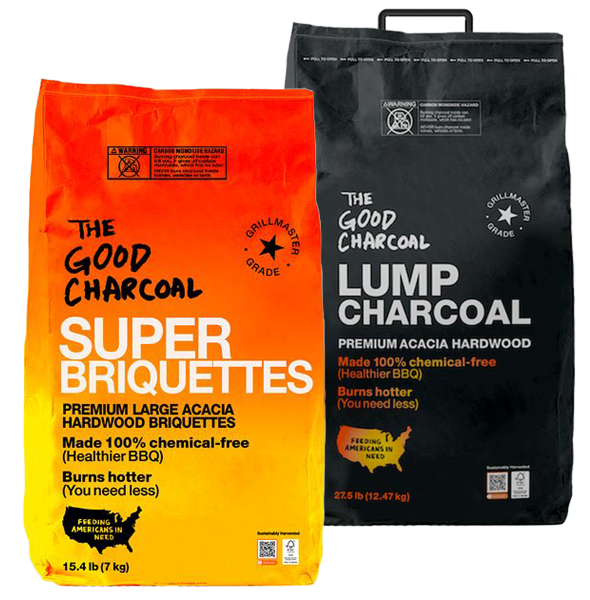
It’s also important to determine whether your operation requires lump charcoal or briquetting. Lump charcoal is often preferred for smelting and metallurgical processes due to its density, while briquettes offer uniformity for boilers and large-scale heat applications.
Assessing your fuel requirements with a qualified supplier helps ensure your production line receives the right charcoal type. Always request test results, moisture levels, and fixed carbon specifications to guarantee compatibility with your industrial setup.
Coconut shell charcoal has become an essential resource across a wide range of industrial sectors—from metallurgy and chemical processing to activated carbon production and industrial heat generation. Its clean-burning properties, high calorific value, and consistent performance make it one of the most reliable inputs for modern manufacturing.
Whether you’re operating a steel plant, a pharmaceutical production line, or an activated carbon facility, the right coconut shell charcoal can significantly improve efficiency, reduce emissions, and create more sustainable processes.
Start importing Premium BBQ Charcoal from Indonesia
Get high heat, long burn, consistent performance, and factory-direct pricing for your market.
We will send complete price list and give you the sample for free