If you import or use charcoal for manufacturing, grilling, briquettes, or industrial processes, then knowing coconut shell charcoal specifications is non-negotiable. The performance of charcoal—burn time, heat output, ash residue, consistency—hinges on its core metrics. By understanding these specs, you can make informed procurement decisions and ensure consistent quality.
This post breaks down the key specification parameters you should evaluate when sourcing coconut shell charcoal. We cover fixed carbon, ash content, moisture, calorific value, volatile matter, and other relevant details. By the end, you’ll know exactly what numbers to request, how they impact performance, and which grades suit different business needs.
Why specification matters
Not all coconut shell charcoal is created equal. The raw material (coconut shells), the carbonization process, and post-processing affect the final product’s performance.
For a business relying on charcoal — whether for grilling, industrial heating, or activated carbon — consistent parameters ensure predictable burn time, heat output, and ash disposal.
Wrong specs can lead to high ash, poor heat, inconsistent burn, and inefficient output. As such, understanding and requesting proper specifications safeguards quality and reduces waste.
Core Specification Parameters
Fixed Carbon
Fixed carbon represents the proportion of pure carbon remaining after volatile materials are driven off by carbonization. It largely determines how hot and how long charcoal burns.
A higher fixed carbon content generally means:
- Longer burn time
- Consistent heat output
- Greater efficiency for industrial uses
For premium coconut shell charcoal, fixed carbon often starts from around 75%–85% depending on grade and processing.
Ash Content
Ash is the non-combustible residue after burning. Low ash content is critical for applications where cleanliness and minimal residue matter (e.g., food grilling, briquettes, activated carbon).
Typical ash content benchmarks:
- Premium-grade charcoal: < 2%–3% ash
- For quality export-ready charcoal: many suppliers target ash ≤ 2%.
Lower ash means less waste, less cleanup, and better fuel efficiency.
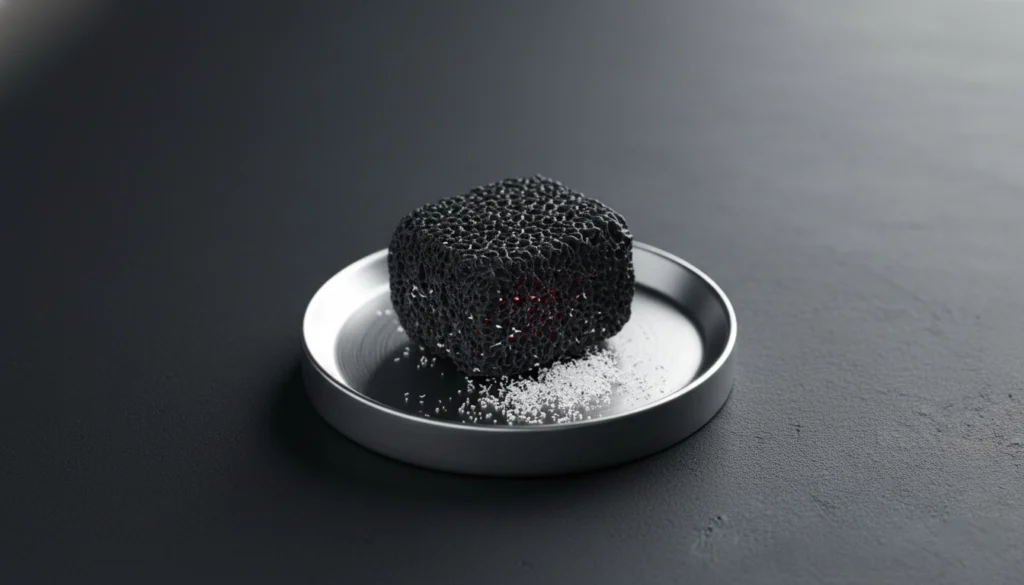
Small burn test showing minimal white ash residue — low ash content
Moisture Content
Moisture refers to water retained in charcoal. High moisture reduces combustion efficiency, causes smoke, and lowers heat output.
Ideal moisture content after processing and packaging is often specified as ≤ 5%–10% for premium charcoal.
Low moisture ensures stable combustion and better calorific performance.
Calorific Value & Energy Output
Calorific value (or heating value) indicates the amount of energy charcoal yields when burned. For coconut shell charcoal, typical values range depending on grade and processing.
High calorific value ensures stronger, more stable heat — essential for grilling, industrial furnaces, or activated carbon production.
Volatile Matter & Impurities
Volatile matter includes compounds that burn off first; too much can mean smoke, odor, unstable burning. Impurities or foreign matter (sand, metal, wood) degrade quality, increase ash, and risk contaminants.
A quality specification sheet should note volatile matter limits (for example, some producers target <15%) and foreign matter thresholds.
Typical Specification Ranges for Coconut Shell Charcoal
Here’s a summary of common specification ranges used by established providers:
| Specification | Typical range for good quality charcoal |
|---|---|
| Fixed Carbon | ~ 75% – 85% minimum |
| Ash Content | ≤ 2% – 3% for high-grade; some go up to ~5% for lower grade |
| Moisture Content | ≤ 5%–10% (after packaging) |
| Calorific Value | ~ 6,500 – 7,500 kcal/kg depending on grade |
| Volatile Matter | Often ≤ 12–15% for premium charcoal |
These values can slightly shift depending on carbonization method, origin of shells, and cleaning processes.
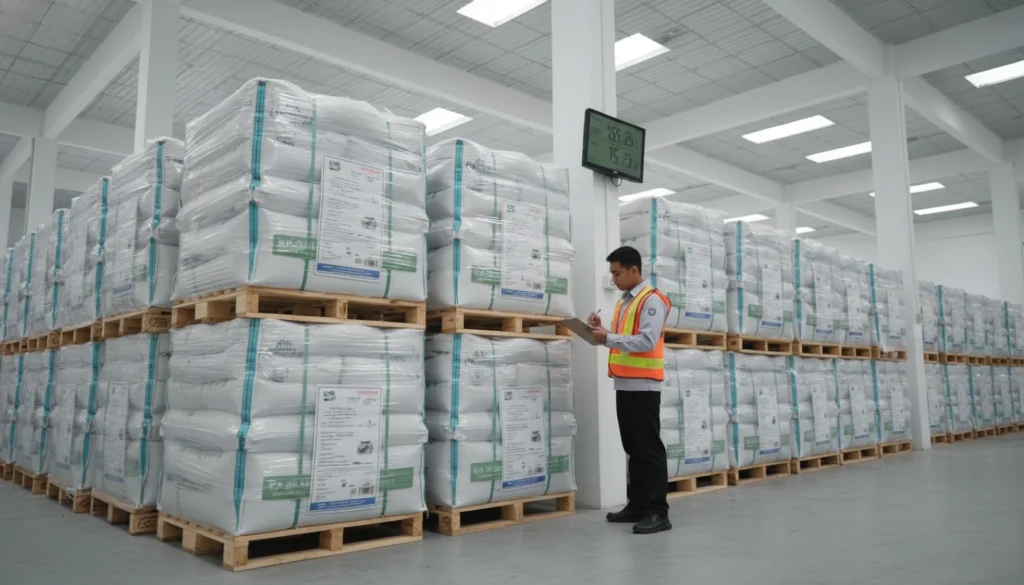
Worker inspecting sealed bags of charcoal — moisture-controlled packaging
How Specification Affects Different Applications
BBQ / Grilling / Food Industry
- Low ash content and low moisture: produce clean, odorless combustion — ideal for BBQ and restaurants.
- High fixed carbon and calorific value: deliver stable, hot charcoal for cooking longer without frequent refill.
Industrial Fuel & Metallurgy
- High fixed carbon and calorific value: provide reliable, intense heat for metalworking or industrial kilns.
- Low volatile matter & impurities: avoid contamination or ash that could damage equipment.
Activated Carbon & Briquette Raw Material
- Charcoal destined for activation or briquette pressing needs high fixed carbon, low ash, low moisture, and minimal foreign matter.
- Consistent specification ensures uniform adsorption capacity or briquette strength.

Laboratory calorific value test for coconut shell charcoal sample
How to Read Supplier Specification Sheets
When you receive a spec sheet from a supplier, check that it includes:
- Fixed carbon (≥ some %), ash content (≤ some %), moisture (max %), volatile matter, calorific value.
- Certificate of analysis (CoA) or lab test report.
- Origin of raw shells (source region), processing or cleaning methods.
- Batch number, packing and packaging date.
If any parameter is missing — ask. Without full specs, you risk inconsistent product.
Quality Control and Testing Methods
Reliable producers often perform proximate analysis (moisture, ash, volatile matter, fixed carbon) according to international standards. Some may include ultimate analysis (sulfur, nitrogen, residual elements) if charcoal is used for activated carbon or industrial fuel.
Request lab reports or third-party test results for large purchases. Regular audits help maintain consistent quality across batches.
What to Request from Suppliers Before Buying Bulk
Before placing a bulk order, request:
- Certificate of Analysis (CoA) with breakdown: fixed carbon, ash, moisture, volatile matter, calorific value.
- Sample (2–5 kg) to inspect smell, ash color, burn characteristics.
- Shell origin & processing details (cleaning, kiln type, carbonization method).
- Packing & storage conditions — dry, sealed packaging to prevent moisture pickup.
- Batch tracking / batch number — useful for traceability, especially if you resell or produce end products.